

Sustainability & CSR
News, reports, and analysis on environmental, social, and governance (ESG) practices across the sporting goods value chain – covering climate strategies, materials innovation, human rights, regulatory compliance, and commercial implications for brands, suppliers, retailers, and investors.
LATEST
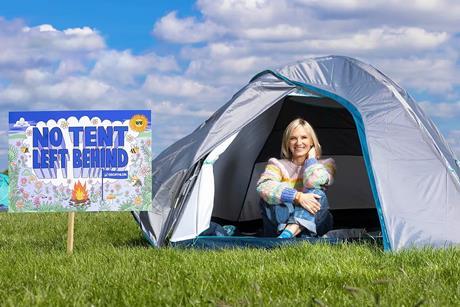
Decathlon adds cash refund to festival tent return scheme
The cash-back addition tests whether financial incentives can shift festival disposal behavior at scale.
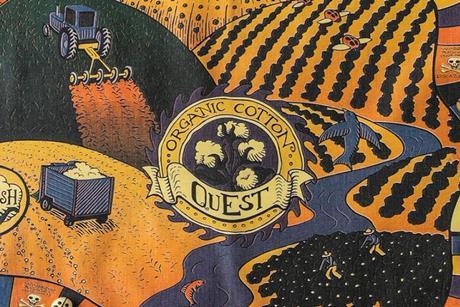
Patagonia organic cotton: 30 years on
Patagonia went organic in 1996. The rest of the industry didn’t follow.
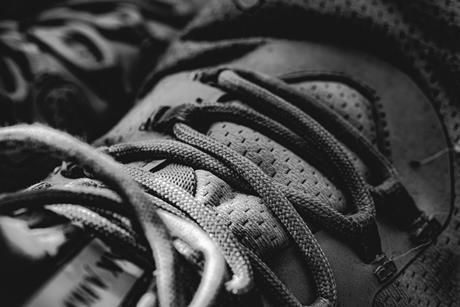
Shoes almost never get recycled. Here’s the data.
The first large-scale material analysis of European post-consumer footwear finds adhesives, black pigments, and missing pairs are the real obstacles to recycling.
SGIE Daily Digest
Stay informed. Stay ahead.
Every weekday in your inbox.
The news, analysis and competitive signals that matter — curated for industry professionals.
Sign up for freeLatest news
Decathlon adds cash refund to festival tent return scheme
The cash-back addition tests whether financial incentives can shift festival disposal behavior at scale.
Patagonia organic cotton: 30 years on
Patagonia went organic in 1996. The rest of the industry didn’t follow.
Shoes almost never get recycled. Here’s the data.
The first large-scale material analysis of European post-consumer footwear finds adhesives, black pigments, and missing pairs are the real obstacles to recycling.
FIFA launches female health and performance project
FIFA releases 30 peer-reviewed modules for its 211 member associations covering female physiology, nutrition, injury prevention and reproductive health.
Worldly’s Chief Strategy Officer in conversation with SGIE
Worldly’s CSO changed careers to fix an industry. Several acquisitions later, he says the urgency is greater than ever.
Decathlon, Arc’teryx join call for resale and repair tax cuts
Brands have built the circular infrastructure. Now they’re arguing the tax system is what prevents it from scaling.
WFSGI and Commonwealth call for sport in youth mental health policy
A World Health Assembly side event on May 20 brought together Nike, ASICS, WHO advisers and Commonwealth ministers to argue the case
Purpose-led sponsorship gets a new playbook
A UK consultancy unveils a new service to help rights-holders and brands convert social impact into measurable commercial returns.
CIRCULARITY

Decathlon adds cash refund to festival tent return scheme
The cash-back addition tests whether financial incentives can shift festival disposal behavior at scale.

Shoes almost never get recycled. Here’s the data.
The first large-scale material analysis of European post-consumer footwear finds adhesives, black pigments, and missing pairs are the real obstacles to recycling.
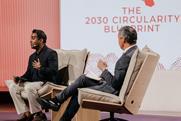
EU textile recycling still below 1%: the industry response
The 2030 Circularity Blueprint sets a target of 2.7 million tonnes of textile-to-textile recycling capacity in Europe by 2035.

StockX launches possessionless trading
New Store at StockX removes the logistics loop that drives up costs for resellers, letting buyers own, store and relist products without handling them.

Activewear brand LSKD in recycled nylon deal
Australian activewear brand LSKD will transition product lines to enzymatically recycled nylon from 2028 under a decade-long supply deal.

Textile-to-textile firm Reju gets €135m grant
Dutch state backing brings Technip Energies-owned Reju closer to a final investment call on its Chemelot polyester regeneration facility.

Decathlon UK pays instant cash for used bikes
New one-hour bank transfer payouts and Easter bonuses aim to boost trade-ins and cut sporting waste.

Lululemon backs nylon biorecycling startup
London startup Epoch Biodesign closes $12m round with Lululemon as a backer, targeting the unsolved problem of nylon 6,6 recycling at scale.

On replaces Cyclon program with resale-recycling scheme
Swiss brand replaces its Cyclon subscription with a trade-in, resale and recycling program, launching in Switzerland, the UK and the US.

PUMA unveils World Cup kits for 11 nations in NYC
German brand chose New York streets over stadium launches to unveil kits for five African nations and six others ahead of this summer’s World Cup.
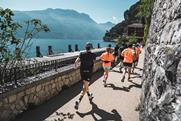
European Outdoor Week 2026: The industry is moving from “No Excuses” to tangible action
From May 14–19, 2026, Riva del Garda will host the European Outdoor Week, with 400 brands confirmed.

Uniqlo launches garment longevity campaign
A free enzyme-treatment sample at 23 European studios anchors Uniqlo’s April longevity campaign.
ESG

Moncler tops Dow Jones apparel sustainability index
The luxury outerwear group scores 91/100 in S&P’s global sustainability assessment — the sector’s highest for the seventh consecutive year.
European Outdoor Week 2026: The industry is moving from “No Excuses” to tangible action
From May 14–19, 2026, Riva del Garda will host the European Outdoor Week, with 400 brands confirmed.

WFSGI partners with Worldly on ESG intelligence tools
WFSGI and Worldly announce a partnership to equip sporting-goods companies with enhanced supply-chain sustainability intelligence, offering free platform access and training for new users
Sporting Goods brands quietly retreat from DEI messaging
Major sporting goods companies are quietly revising or rephrasing their diversity, equity, and inclusion commitments.
Equality and diversity

UK study maps girls’ fading sports fandom
Four in ten young UK people cannot name a sportswoman, as new research maps how girls lose fan identity through secondary school.
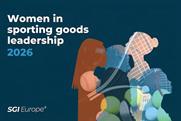
Women still wait for a seat at the top: the 2026 data
Women hold 30 percent of board seats and 24 percent of executive roles in sporting goods. The numbers are improving — but barely.

Women redefine performance beyond function in active lifestyle industry
Influenced by a strong female perspective in design and strategy, the industry is moving toward a balance of high-functionality, circularity, and sensory comfort.

WPA and IPPA seek to boost women’s padel in Asia
New alliance aims to boost memberships, train coaches and professionalize the sport across the continent.

Melissa Kaar: 'Regardless of race, gender identity, sexual orientation, ability – there is a place for everyone in sport'
Managing director Melissa Kaar discusses the adidas Foundation’s evolution from startup phase to independent entity, detailing challenges from bank accounts to building trust with grassroots partners using sport for social change.
Sporting Goods brands quietly retreat from DEI messaging
Major sporting goods companies are quietly revising or rephrasing their diversity, equity, and inclusion commitments.

Arena new global campaign focuses on freedom and inclusivity
The swimwear brand celebrates swimming as a universal and inclusive activity.

European Parliament calls for comprehensive European Sport Model reforms
For a strengthened European Sport Model the EU parliament demands improved governance, financial integrity and athlete protection.

Women are massive sports fans, yet feel unseen
A new study reveals that many women sports fans feel misunderstood by brands and leagues.

Nike and Special Olympics deepen collaboration with new partnership
The new agreement aims at expanding access to youth sports and improving training for Special Olympics’ Unified Sports coaches.

FIS and Virtus sign agreement to promote inclusion in winter sports
This MoU marks a significant step toward integrating athletes with intellectual impairments into Alpine and Cross-Country skiing disciplines at the highest levels of competition.

Intersport named official sponsor for EuroGames 2025
The multi-sport event that celebrates inclusion, diversity, and unity through sport, is the largest LGBTQIA+ event of its kind in Europe
Design for tomorrow: Circular Economy RE:THINKING Business Special
Best practices, success stories, circular models: re:sale, re:pair, re:cycle, re:design, re:invest, re:think.
>> Explore the specialThe Impact of Sports – Why the industry must act now
Physical inactivity is rising rapidly. Explore the data, initiatives and action plans as the sporting goods community transforms a societal challenge into an opportunity.
>> Explore the specialCSR: RE:THINKING Business Special
How the Sporting Goods Industry redefines corporate social responsibility amid political pressure, regulation and consumer fatigue. Stories, voices, facts and data.
>> Explore the special
Intelligence, analysis and advice for the global sporting goods industry.
TOPICS
Corporate and FinancialRetail and Supply
Marketing
Consumer
People and HR
Events and Trade Shows
Legal
CSR and Sustainability
Technology and AI
Asia-Pacific
Athlete economy
China and APAC
MARKET ANALYSIS
Analysis and dataIndustry Scorecards
Reports
Case Studies
SERIES and SPECIALS
FIFA World Cup 2026Winter Olympics 2026
Circular Economy
Impact of Sports
Redefining CSR 2025
SUBSCRIPTIONS
Membership plansFAQs
ASK SGIE AI
For premium subscribersABOUT US
About usNewsroom and Contacts
Media solutions
- COPYRIGHT © EDM PUBLICATIONS GMBH
- Contact Us
- FAQS
- Terms and Conditions
- Privacy & Cookies Policy
- Impressum
- Issues
- Topics A-Z